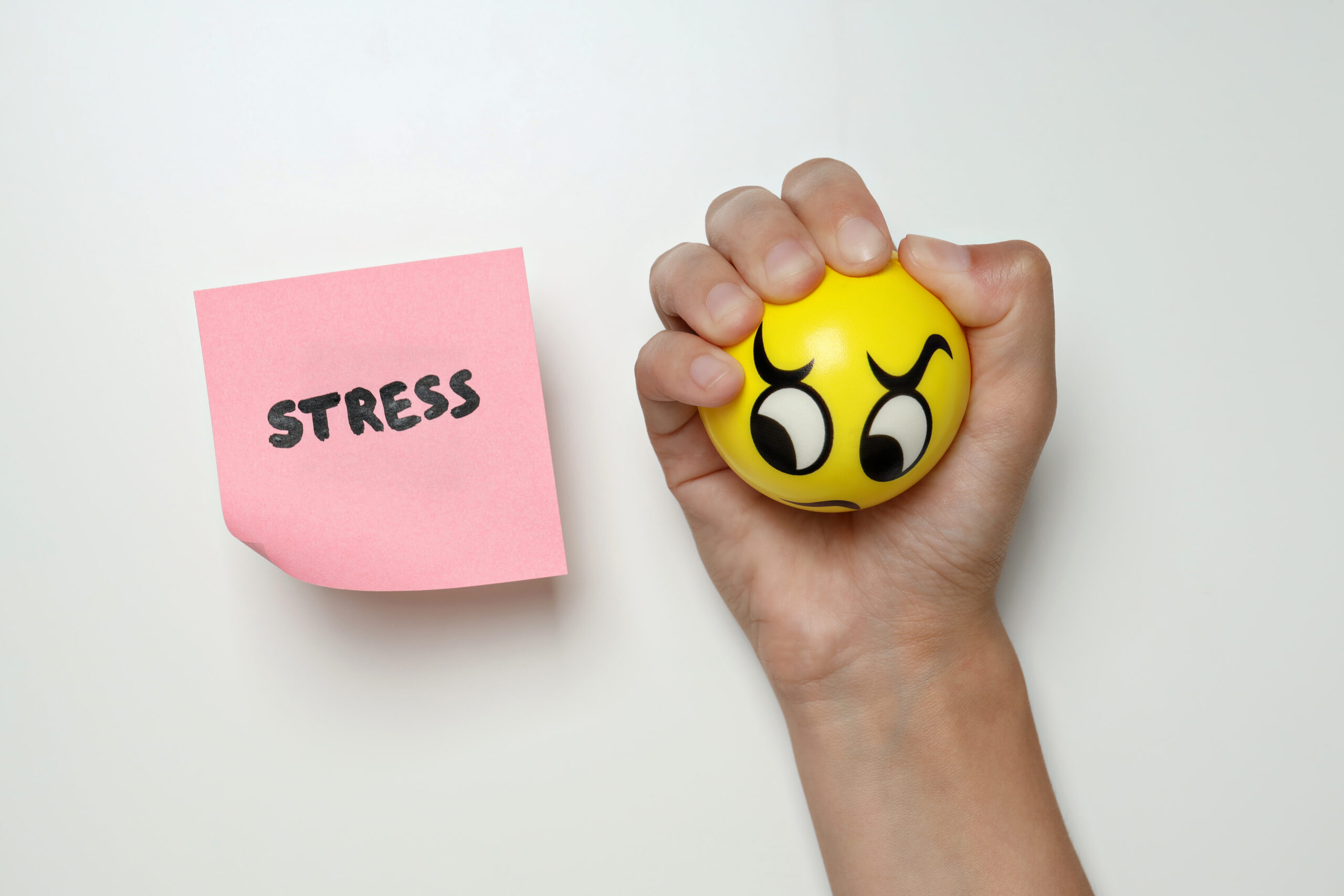
There is a specific, quiet horror that comes with realizing your work has accidentally forced someone to relive a deep trauma.
As an experience designer, I used to think my job was simply about building smooth interfaces, mapping user journeys, and gathering clean insights. Sometimes that's 100% true. Other times, the stakes are much higher: we're shaping the emotional and psychological environments that human beings have to inhabit every day. When certain products or research protocols carelessly trigger a participant's or user's past trauma, it isn't just a bad user experience. It's a direct infliction of human suffering.
I'd like to share how I've come to think of trauma at Hostile Sheep, because the word gets used loosely, and that looseness has real consequences for how we build.
A car accident, an assault, a loss: these are traumatic events. But the event itself is just the impact.
Trauma is what's left behind after a traumatic event: an unresolved rupture in a person's sense of agency, their capacity to choose, act, or exert control over what happens to them.
That rupture can come from a single, acute event, or it can build slowly, through chronic conditions that strip away agency over time: a childhood where nothing a child does produces a predictable response, a caregiving relationship with no room for boundaries, a system that never lets someone make an informed choice about their own circumstances. Whether it happens in one moment or accumulates over years, the underlying injury is the same: agency, overwhelmed beyond what a person could metabolize at the time.
This is why I don't think of trauma as a fixed category of "bad things that happened to people." I think of it as a live variable, tied directly to whether someone's sense of choice and control gets protected or stripped away, including in the small, ordinary moments a product creates.
Grounding my thoughts
Trauma isn't a dead end. Under the right conditions, people move through it, and some come out the other side with real growth (psychologists call this post-traumatic growth). But that movement isn't automatic, and it isn't a byproduct of enough time passing. It hinges on one specific, identifiable pivot: reclaiming agency.
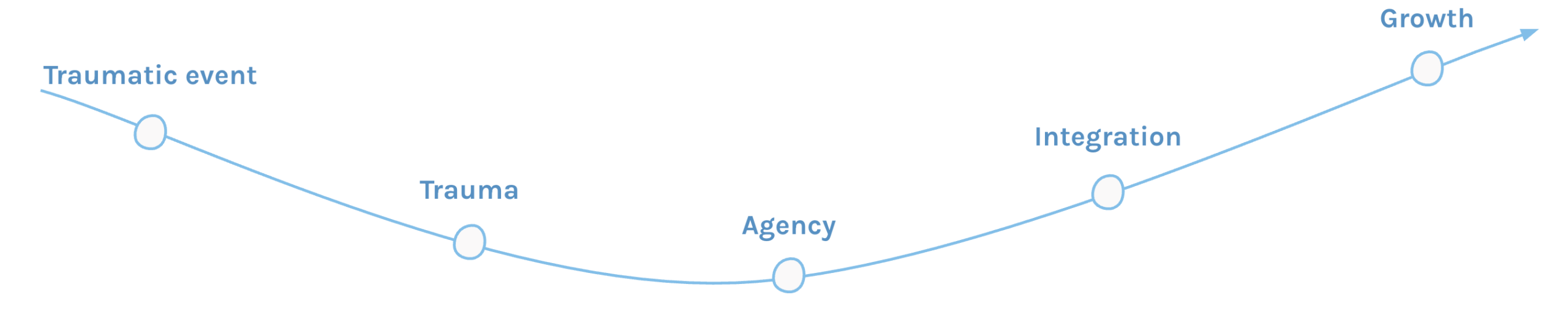
A traumatic event can be a single, severe blow, the kind that sends the curve into a steep, sudden drop. It can also be something quieter, a small, ordinary moment where agency slips, briefly and mildly, barely registering as a dip at all. Same arc, same pivot, very different distances to travel.
In that moment, whatever its size, agency is overwhelmed. What's left behind is trauma, the rupture we defined earlier, held in the body and mind, not yet metabolized.
The turn happens at agency. This is the first moment a person acts rather than simply endures, the point where choice, voice, or control gets reclaimed rather than just survived around. Nothing before this point involves healing, and many people get stuck here, enduring trauma without ever moving through it. Once agency is reclaimed, the path to integration and growth can be quick or gradual, just as the initial drop can be.
From there, integration is the rupture getting woven into a coherent story instead of staying a live, disconnected fragment. The wound stops running in the background. And growth, when it comes, is what can follow once integration has happened: new meaning, new capacity, new perspective, built on top of what was survived, not a replacement for it.
I share this because it represents my mental model for recovery from trauma. In my experience, this tends to be true for all trauma, significant or minor; some is just quicker and easier to recover from. As a person who holds trauma myself, I feel this model represents hope for recovery, but it doesn't capture what it actually feels like to live with trauma day to day.
Recognizing how trauma shows up every day
I woke up this morning feeling great. Motivated, alert, ready to take on the day. When my first meeting started, we did a check-in round, and I told everyone I was feeling fine.
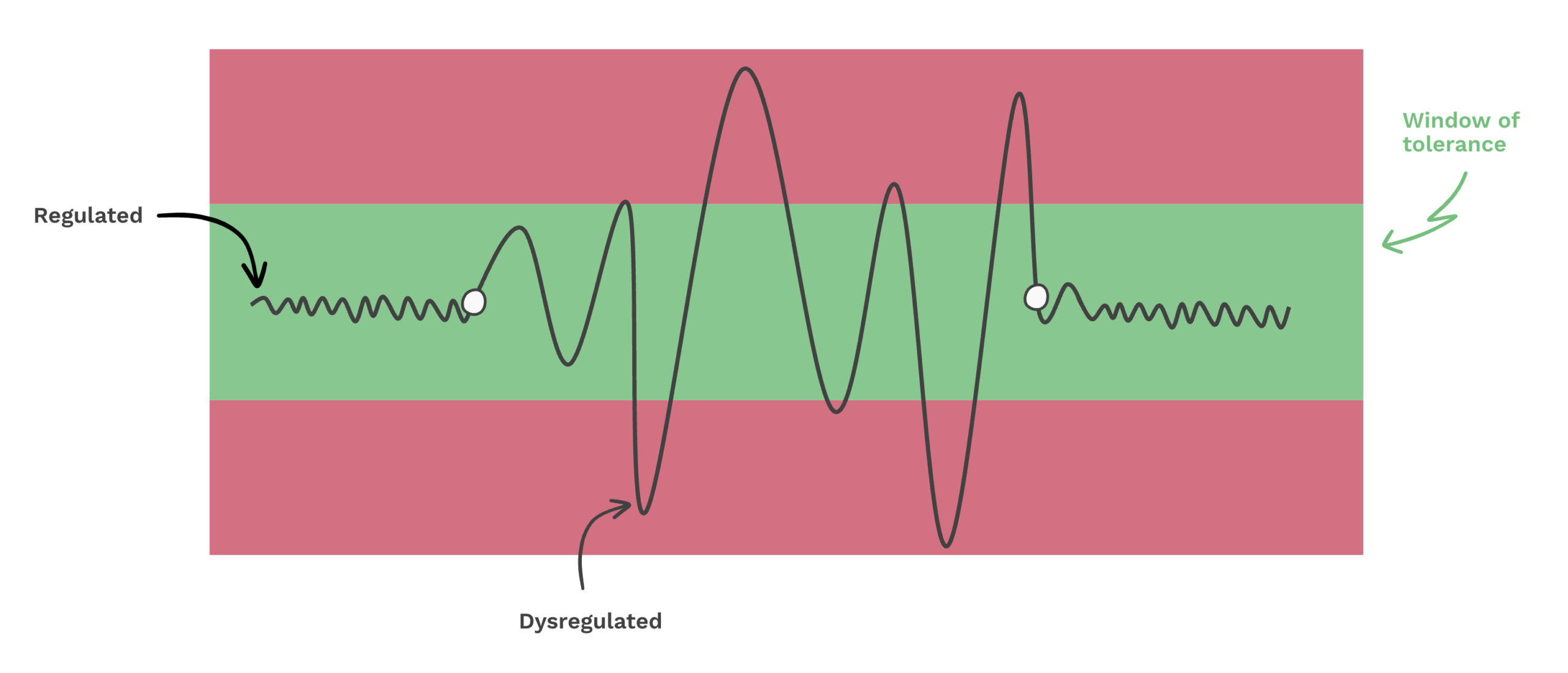
Feeling fine. That was my way of saying I felt emotionally regulated. My therapist has another name for it: operating inside my window of tolerance. It's a workable range. Inside it, I can think clearly. I can feel what I'm feeling without it overwhelming me. I can respond to what's in front of me with some flexibility.
“In general, our windows of tolerance determine how comfortable we feel with specific memories, issues, emotions, and bodily sensations. Within our window of tolerance we remain receptive; outside of it we become reactive.” - Dan Siegel
Later that same morning, a comment in a meeting landed wrong. Nothing dramatic. Nobody meant anything by it. But something in it caught on an old rupture. For a few minutes, I wasn't fine anymore. I was distracted, defensive, replaying the comment instead of hearing what came after it. I'd been pushed outside my window; I was dysregulated.
Now I'm acutely aware that every instance of dysregulation does not stem from trauma. Hunger, exhaustion, a bad night's sleep, none of that requires a rupture in someone's agency to explain it. That said, some dysregulation comes from trauma and understanding this cycle has helped me as a designer and researcher.
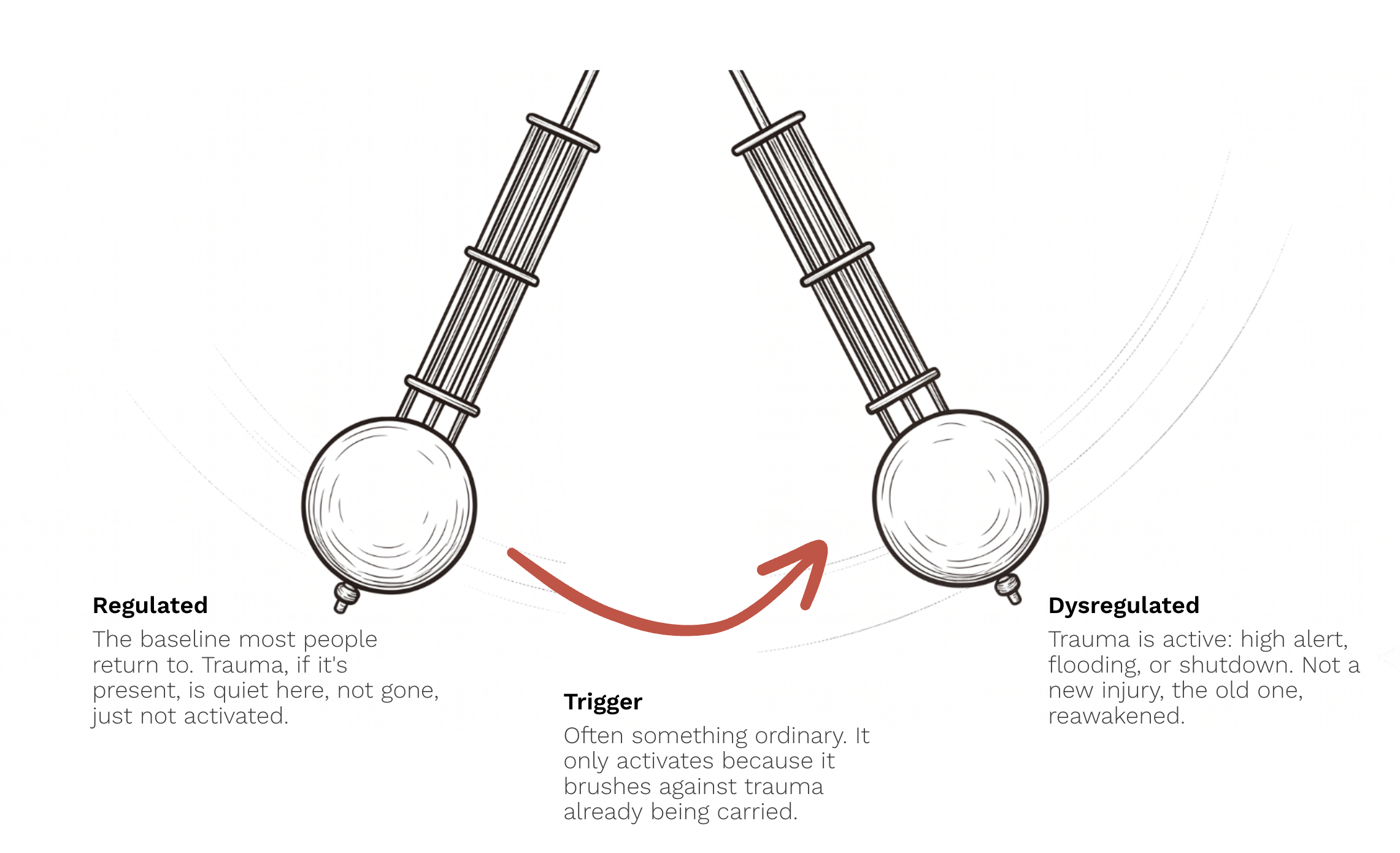
So, I was regulated, someone made an innocent comment and I felt myself become dysregulated. In this case, it activated a trauma I carry around not being able to speak up and voice my own thoughts. I see people get triggered all the time by seemingly ordinary things: a phrase, a notification, a form field, a tone of voice. The trigger itself carries no special power. It only results in dysregulation because it brushes against trauma; a past rupture the trigger happens to resemble.
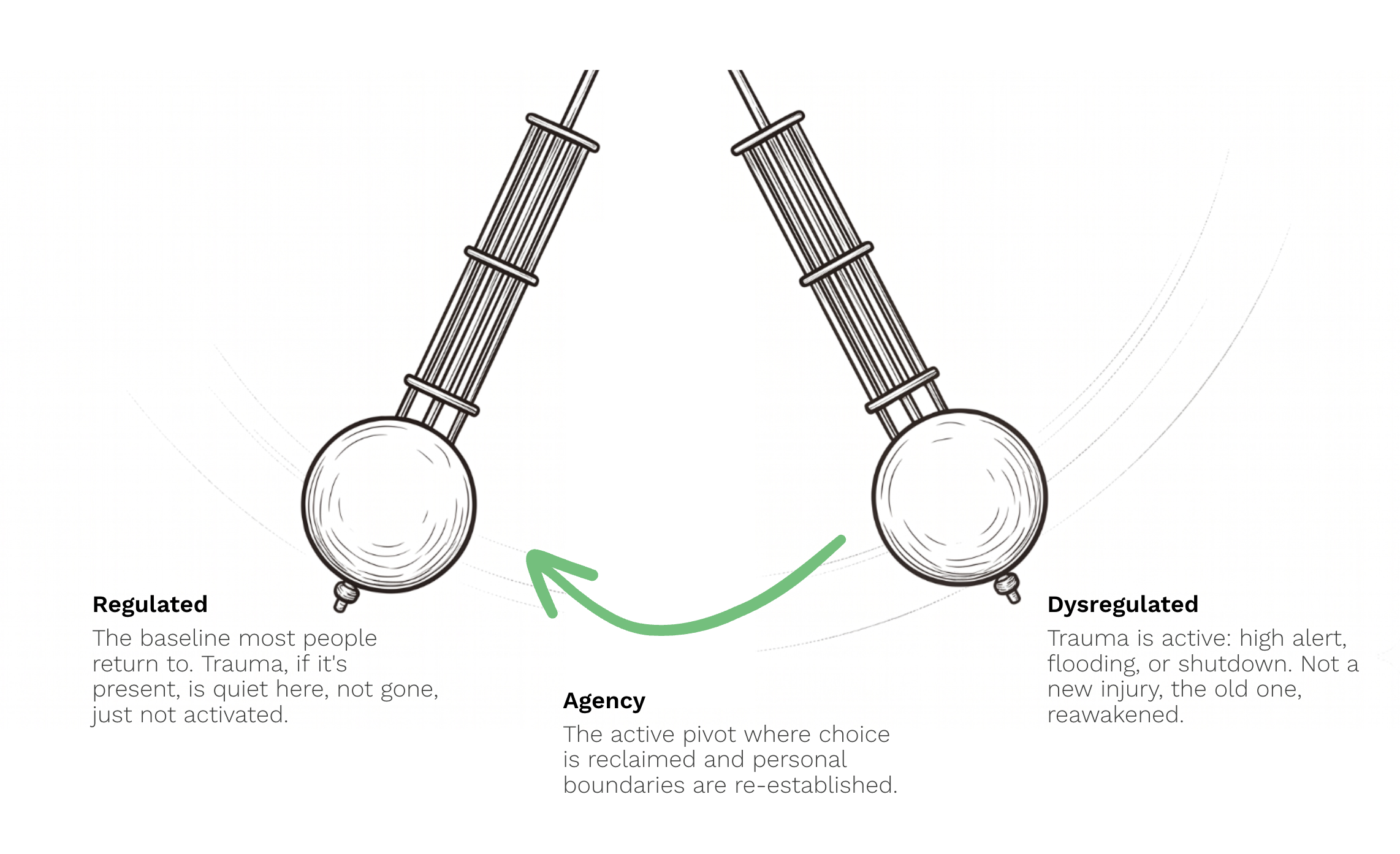
Ok, so when I felt myself getting dysregulated, I wanted to get back into my window of tolerance. In fact, by the end of the meeting I had already returned to a regulated state. And if you had asked me how it happened, I would have said it resolved on its own. I just noticed I was over it. But something had to happen between "distracted and replaying the comment" and "over it": some small act of choosing to let it go, checking the story I was telling myself, deciding the comment didn't deserve the weight I'd given it. That's agency. It may have been quick, it may have happened under the surface without a deliberate decision, but I still reclaimed my agency. Choice was reclaimed, boundaries re-established, some form of control actively taken, rather than simply waited out.
In less than 30 minutes my pendulum swung from regulated to dysregulated and back. This matters to me as a designer because dysregulation isn't just an unpleasant feeling to route around. It changes what a person is actually capable of in that moment. Attention narrows. Decisions get harder. Patience for ambiguity drops. Sometimes new information can't be processed at all. A dysregulated user isn't having a worse experience of my product. They're using a version of their own mind that has less to work with. Every design decision I make either accounts for that or ignores it.
No Good, Very Bad Day
You may be familiar with the kids book "Alexander and the Terrible, Horrible, No Good, Very Bad Day". In this book, Alexander says, "I went to sleep with gum in my mouth and now there’s gum in my hair" and the book continues to detail all of his misfortunes. He had an undoubtedly bad day. But, as author Judith Viorst writes, "...some days are like that." Days of dysregulation are bound to happen. That pendulum action is normal, in fact it's what pendulums are built to do.
Problems start to surface when every day becomes a bad day.
Siegel's window of tolerance isn't fixed. It can narrow. Repeated, unrelieved swings into dysregulation, especially without real recovery in between, shrink the range a person can operate in before things tip into flooding or shutdown. The same comment that once took thirty minutes to recover from starts taking an hour. Then it doesn't fully resolve at all, and the next trigger lands on top of whatever's still unresolved from the last one. The window doesn't just get used more often. It gets smaller.
This is where my job as a designer actually starts.
Most of the products and systems I've worked on will never touch someone's window of tolerance directly. But some of them touch it constantly, without anyone noticing. A support flow with no way to pause. A form that reopens an old wound every time it's filled out. A notification that arrives exactly when someone can least afford it. None of these has to be dramatic to matter. A small trigger, repeated often enough, does the same work as a large one delivered once.
So I've started thinking about my job in two parts.
The first is reducing how often I put a trigger in someone's path at all. Not eliminating triggers entirely; I can't know every rupture every person carries, and I'm not going to design around all of them. But I can stop manufacturing new ones through carelessness: a blunt question where a gentler one would do, a mandatory field where an optional one would work just as well, a flow that assumes everyone encountering it is regulated and unburdened.
The second is making recovery possible when a trigger does land, because I won't catch all of them. This is where consent earns its place, not as a checkbox, but as a way to reclaim agency: a way to pause, to skip, to step back, to be told what's coming before it arrives. None of that prevents the trigger. All of it can facilitate the swing back, so the window doesn't have to absorb the full cost alone.
Both of these parts are addressed completely differently every time I work on a new project. They depend entirely on what I'm building and what it touches.
Not all harm is ours to prevent, but some is
Life delivers an unlimited supply of trauma that no product, service, or system will ever prevent. A disaster still happens. A diagnosis still lands. A death still occurs. No amount of good design reaches back and prevents any of that.
I can't prevent the disaster, but I can shape how long someone waits on hold to an emergency line, and what that wait feels like while they're on it. I can't prevent the diagnosis, but I can improve the screening process that catches it earlier, when there's still more room to act. I can't prevent the death, but I can shape how that news is delivered, and what a family is asked to do administratively in the days right after. None of this prevents the trauma from happening. All of it mitigates the harm from the trauma left behind.
The question I've started asking isn't "is this trauma," it's two narrower ones: how much control do I actually have here, and how bad is it if it lands.
Control isn't about whether I caused the harm. It's about how much influence I have over keeping someone regulated, or helping them regulate if they're not. If a distasteful post shows up in your feed, I have no control over that: I didn't write it, and I can't stop something like it from existing somewhere on the platform. It may genuinely dysregulate you. But I do have control over what happens next, whether you have an easy, immediate way to remove it and never see it again. If I have enough control I can prevent the harm from happening, if I don't I can still reduce its impact.
And how bad is it if it lands? Some moments of dysregulation are quick and shallow, others are intense and hard to recover from. A distasteful post landing in your feed might dysregulate you for a moment, a flash of irritation or unease that passes once you scroll on. A mandatory form field that forces you to describe an assault in your own words, with no way to skip it, can dysregulate you far more severely, pulling you into something closer to reliving it than simply being reminded of it.
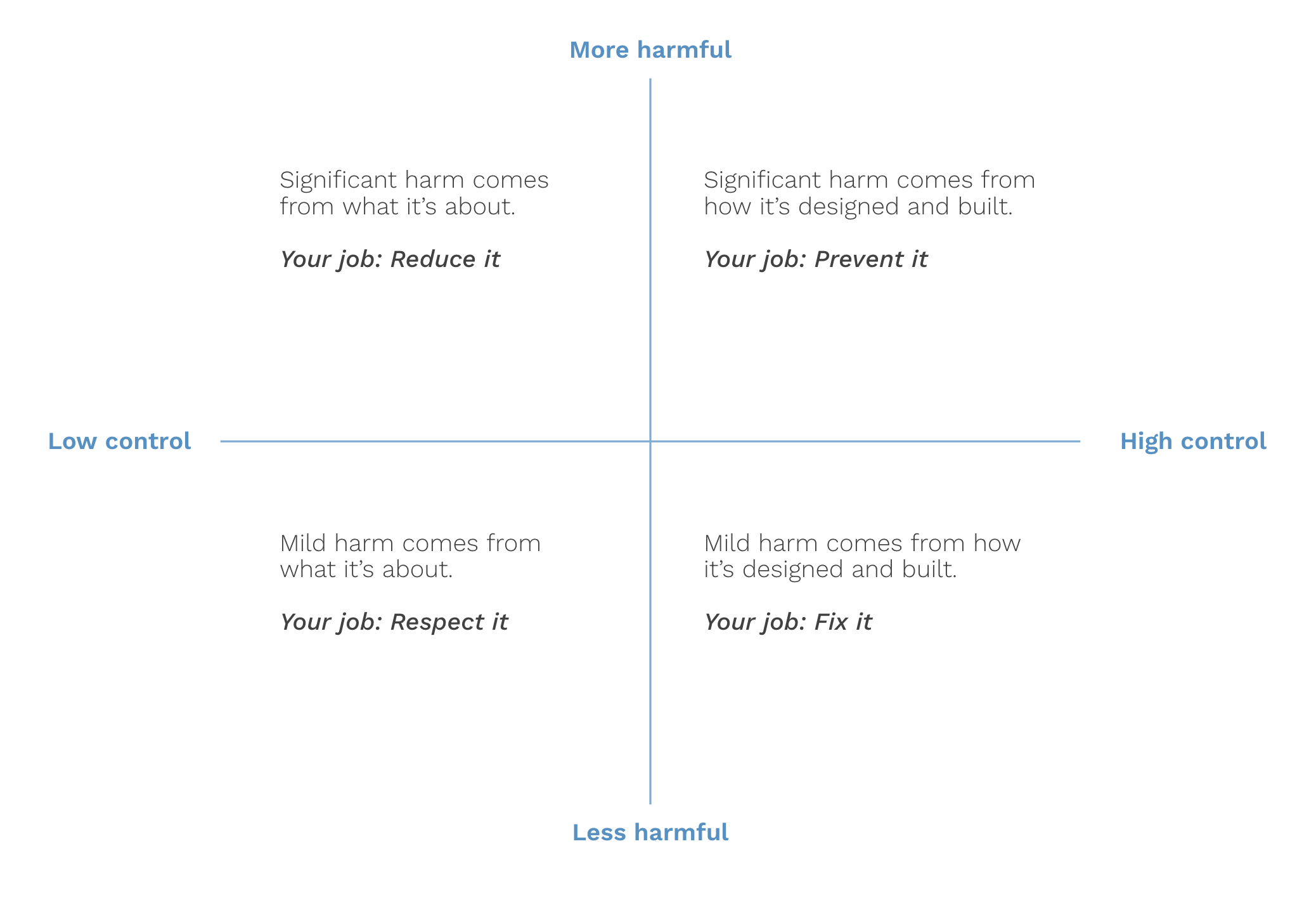
Put those two questions together and four distinct situations emerge, each asking something different of me.
Low control, less harm: the distasteful post. I didn't write it, and I can't stop something like it from existing somewhere on the platform. If it dysregulates you, it's likely to be mild, brief, forgettable. My job here is to respect it: making sure you have an easy, immediate way to remove it and never see it again, not because I caused the harm, but because I can still shorten how long it lingers.
High control, more harm: the mandatory disclosure field. I built the requirement. If someone has to describe an assault just to open an account, and the field gives them no way around it, that's severe, and it's entirely mine. My job here is to prevent it: remove the requirement, or redesign the field so disclosure is never mandatory in the first place.
Low control, more harm: the screening questionnaire. I can't remove family medical history as a subject, cancer, loss, and illness are going to come up. That's low control. But how bluntly it's asked, whether there's a way to pause or decline, determines whether it's a brief flicker of discomfort or a real reliving of something painful. My job here is to reduce it: reducing how the question lands, even though I can't remove what it's about.
High control, less harm: the mislabeled form field. I built it, and a typo or unclear label is entirely within my control to fix. But if it only costs someone a moment of confusion, it isn't the same emergency as the disclosure field above. My job here is to fix it, correcting it because I can, not because leaving it constitutes a crisis.
Four quadrants, four different obligations. What I owe a user in the top-right corner of this map is not what I owe them in the bottom-left. Get the quadrant wrong, and you're handing someone the wrong kind of change.
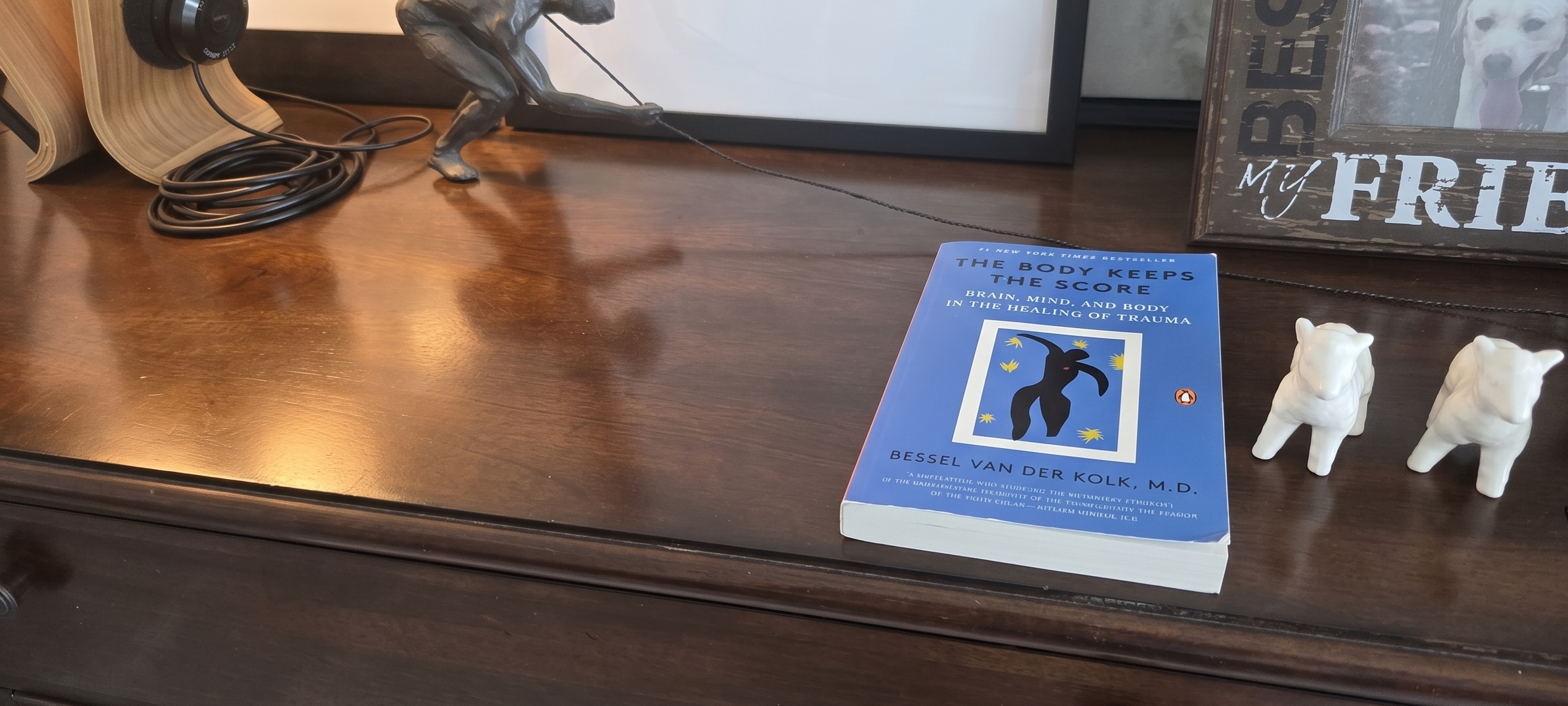
"Trauma results in a fundamental reorganization of the way the mind and brain manage perceptions. It changes not only how we think and what we think about, but also our very capacity to think." - Dr. Bessel van der Kolk
Life delivers a lifetime supply of trauma no design will touch. My job is smaller than that. Prevent what I can. Reduce what I can't remove. Fix what's small enough to fix. Respect what's left. Not every harm owes the same response.
Did you ask permission?
When I was 6 years old, I thought everything was mine. If I wanted it, I took it. My grandmother had a way of correcting this that stuck with me: she'd simply ask, "Did you ask permission?"
I didn't know it then, but that question was my first real introduction to consent. Not consent as a legal formality. Consent as a basic form of respect, the idea that something isn't yours to take just because you want it, and that asking first changes the entire nature of the exchange.
I think about that question constantly now, just applied to something my grandmother never had to design around: a form, a flow, a notification, a screening question. Did I ask permission before asking someone to relive something hard? Before surfacing a subject they might not be ready for? Before assuming they wanted to engage with this at all, right now, in this way?
Consent can show up in two distinctly different ways: asking permission and restoring agency.
Asking permission happens before any trigger. A warning. A choice to opt in, or skip. A moment where someone gets to say, "not right now," before a trigger ever has the chance to land. This is consent working on the front end of the swing. It doesn't remove the subject. It doesn't undo someone's history. But it can mean the difference between a trigger causing real dysregulation and that same trigger causing nothing at all, because the person saw it coming and chose how to meet it.
Restoring agency happens after something has already gone sideways. A pause button. An easy exit. A way to say "I need a minute" without penalty. This is consent working on the back end, at the exact point where agency needs to be reclaimed. It doesn't erase the dysregulation. It hands the person a lever for finding their way back, instead of leaving them to find one on their own, or leaving them stuck.
Same word, two different jobs. Ask permission before, and you may prevent the swing altogether. Offer a way to restore agency after, and you shorten the swing back.
Designing for stress cases
Most product teams design for the average user, operating in ordinary conditions, with typical level of patience. We often call it the 80% case. Those remaining 20% cases are edge cases, rare enough to ignore, unusual enough to skip.
But "edge case" is a description of convenience, not of reality. It just means: this person is inconvenient to design for, so we're calling them uncommon. Someone in genuine distress, mid-crisis, at the edge of their own window of tolerance, isn't rare. They're just invisible in most research, because they're the ones who leave the study, abandon the flow, or never show up in your analytics at all.
Jared Spool coined a better term for this: stress cases. Eric Meyer and Sara Wachter-Boettcher picked it up in Design for Real Life, arguing that the goal isn't to push these situations to the margins, but to build them into the process from the start. Almost any product can end up in someone's hands during a moment of real stress, sometimes serious crisis, whether or not that was ever the product's intended use.
This got me thinking about some of the "edge cases" I've encountered in my career that I've reconsidered as stress cases:
Imagine a domestic violence survivor filling out a joint account closure form.
- Treated as an edge case, the form asks for a reason for leaving, dropdown only, no free text, and "relationship ended" sits next to "moved abroad" and "no longer needed" as if they're equally weighted.
- Treated as a stress case, the reason field is optional, and if a reason is needed at all, "personal safety" exists as its own category, not folded in beside logistics.
Imagine someone experiencing a miscarriage, still using a pregnancy tracking app.
- Treated as an edge case, the app keeps counting: weekly updates, kick counters, nursery countdowns, sent to someone who no longer has a pregnancy to track.
- Treated as a stress case, the app offers a simple, low-friction way to pause or end tracking, without requiring the user to explain why, and without a wall of "are you sure you want to leave" messaging on the way out.
Imagine someone filing a workplace incident report after an assault.
- Treated as an edge case, the report requires a full written account before it can be submitted, no option to pause, save, and return later.
- Treated as a stress case, the form can be started, saved, and finished across multiple sessions, and a person, not just a portal, is available before anything has to be written down.
Imagine someone encountering a "memories" feature that resurfaces a photo of someone who has since died.
- Treated as an edge case, the feature runs the same for everyone: unprompted, undifferentiated, built purely to delight.
- Treated as a stress case, resurfaced memories are easy to mute or hide per-person, without needing to explain why, so grief doesn't ambush someone on an ordinary Tuesday.
These fixes are invisible to the average user. They pose no barrier, they cost nothing. They just make sure the product still works for someone under stress.
There's no version of my job where I prevent anyone's trauma. Life will keep delivering it: a disaster, a diagnosis, a death. That was never mine to fix.
But most days, most people I design for aren't in crisis. They're just cycling, quietly, in and out of their own window of tolerance, dozens of times before lunch. Most of that cycling has nothing to do with me. Some of it does.
The part that's mine is smaller than preventing trauma. It's asking one question, over and over, for every form, every flow, every notification: did I ask permission before I took anything at all? And when I couldn't ask in advance, did I leave a way back?
That's the whole job, really. Not preventing the trauma itself. Just making sure nobody has to face one of mine without a choice, and without a way home.
More from our blog
Reflections on Trauma, Consent, and Design.
Jul 14, 2026
Credit Rehabilitation Project Story
Jun 17, 2026
Agency is the outcome: Why feeling in control is the ultimate user experience.
May 15, 2026
Are you a Challenger? Why out-caring the giants is your only real advantage.
May 14, 2026