
Control is often an illusion. This couldn't be more true than in the digital world where organizations frequently treat people like sheep. Do this, then this, then this, and you're done! We all interact with systems that force compliance every day. When we wake up our alarm clock has a very specific way of turning the alarm off. When we commute to work, theres a whole routine that becomes muscle memory; not because we've chosen the routine but because the systems with live with require it of us.
Users are viewed as predictable entities to be funneled through rigid processes, where the goal is to make them conform to the system’s logic. Most digital products are built to enforce these institutional paths, even at the expense of the user's mental energy. This is what we call cognitive debt; the mental burden that exhausts users and stalls progress.
For decades people have rebelled against being treated like sheep, becoming hostile sheep. They fight against being manipulated. They fight against being constrained. They fight against systems that ignore their intuition. At Hostile Sheep, we align technology with human intuition to help people reclaim their agency.
The shift from compliance to agency
"It doesn't make sense to hire smart people and tell them what to do; we hire smart people so they can tell us what to do." - Steve Jobs
User agency is the capacity for a person to act independently and make informed choices within a digital environment. It is the safety that comes from mastering a tool instead of feeling controlled by it.
When an organization faces a complex problem, they face a fundamental choice in how they design the solution. This choice determines whether they build a resilient ecosystem or a cycle of failure.

As the diagram illustrates, when we prioritize Rigidity, we create Friction. Users are forced into Workarounds just to get their jobs done, eventually collapsing into a state of Learned Helplessness. But designing for agency means choosing Flexibility. This enables Intuitive Action, which builds Agency and ultimately leads to the Desired Impact.
Agency, mistakes and safety
Restoring agency does not mean providing lawless freedom. In high-stakes environments such as healthcare, education, social services, too much agency can be just as dangerous as too little. A system with zero guardrails creates a different kind of cognitive debt: the paralyzing fear of making a catastrophic mistake.
Success lies in the delicate balance between agency and safety:
- The Danger of Low Agency: Users feel like cogs in a machine. They become frustrated and exhausted, eventually finding "workarounds" that bypass the system entirely, creating massive organizational risk.
- The Danger of Hyper-Agency: Without a structural foundation, users are overwhelmed by choice. This leads to hesitation and the potential for dangerous errors.
- The Challenger’s Balance: We build safe agency. We create experiences where the user has the freedom to act on their intuition, while the system acts as a silent partner that provides an evidence-based blueprint that ensures their actions are structurally flawless.

How agency leads to success
When you have mastered the delicate dance between agency and safety, you transform your digital presence from a series of institutional hurdles into a catalyst for human potential. By choosing flexibility over rigidity, you allow the expertise of users to drive the outcome. When a digital experience respects the agency of the user, success is measured by the impact they are able to make:
- The Clarity of Intent: When a digital experience respects a user’s mental model, it removes the "translation layer" between their thoughts and their actions. Users don’t have to fight the technology to prove they know how to do their jobs; they can focus entirely on the impact they are trying to achieve.
- The Confidence of Mastery: Dignity is found in competence. When users feel empowered by their digital experiences, they move with a sense of ownership rather than a fear of error. This confidence reduces hesitation and ensures that every interaction is a purposeful step toward their desired outcome.
- The Best Kind of Support: Systems that strip away agency force users to seek outside help just to navigate basic tasks. By restoring agency, you give that time back to the user, allowing them to focus on their mission rather than bypassing a broken tool to call for support.
Ultimately, user agency is about dignity. When a digital experience respects a person’s intuition, it transforms from a barrier into a bridge. Whether it is a practitioner providing life-saving care or a family seeking answers in a moment of vulnerability, success is defined by that person's ability to act with confidence and clarity. When you stop forcing compliance and start enabling agency, your digital presence stops being a hurdle and starts being the catalyst for the impact you were meant to have.
More from our blog

Reflections on Trauma, Consent, and Design.
Jul 14, 2026
Credit Rehabilitation Project Story
Jun 17, 2026Agency is the outcome: Why feeling in control is the ultimate user experience.
May 15, 2026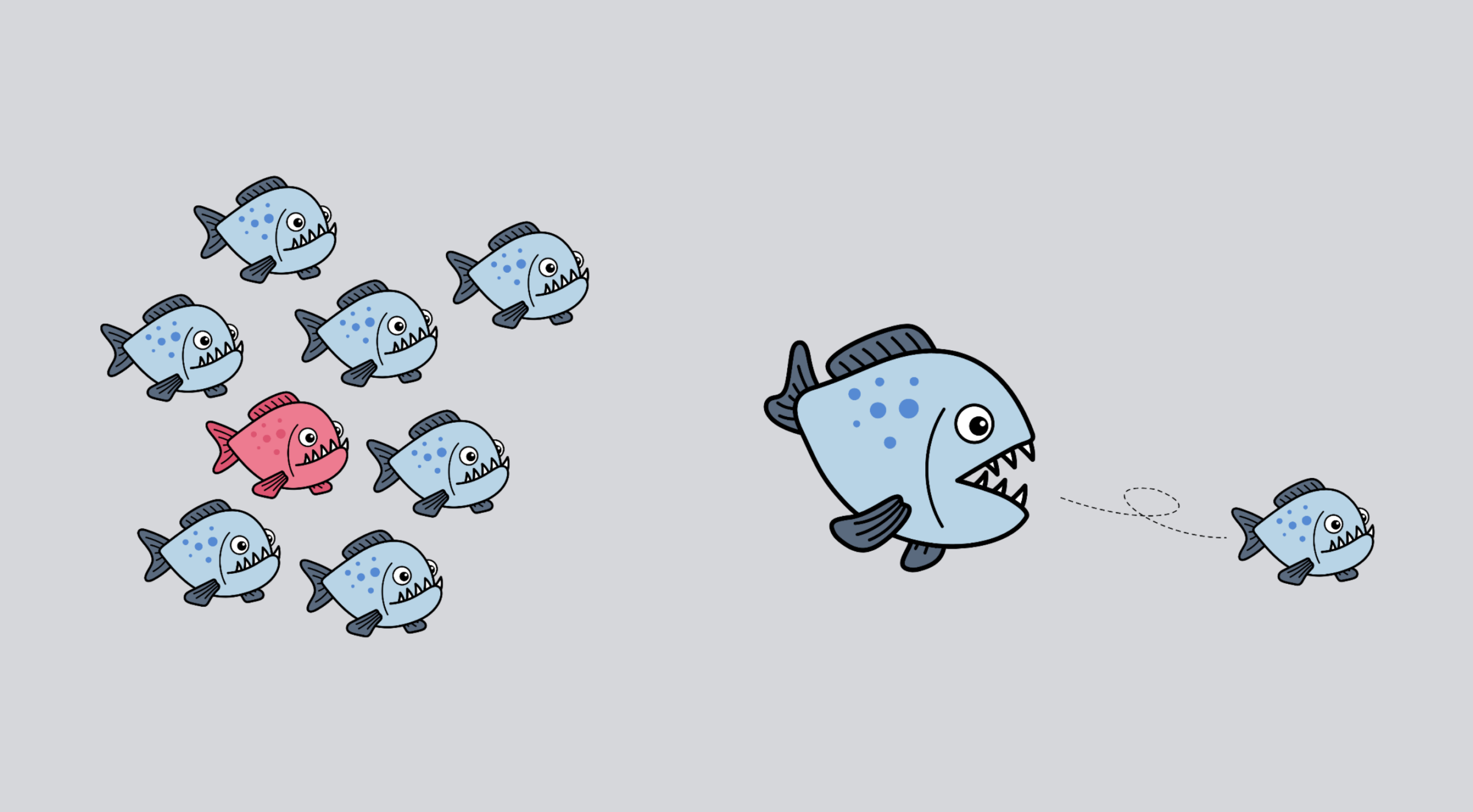
Are you a Challenger? Why out-caring the giants is your only real advantage.
May 14, 2026